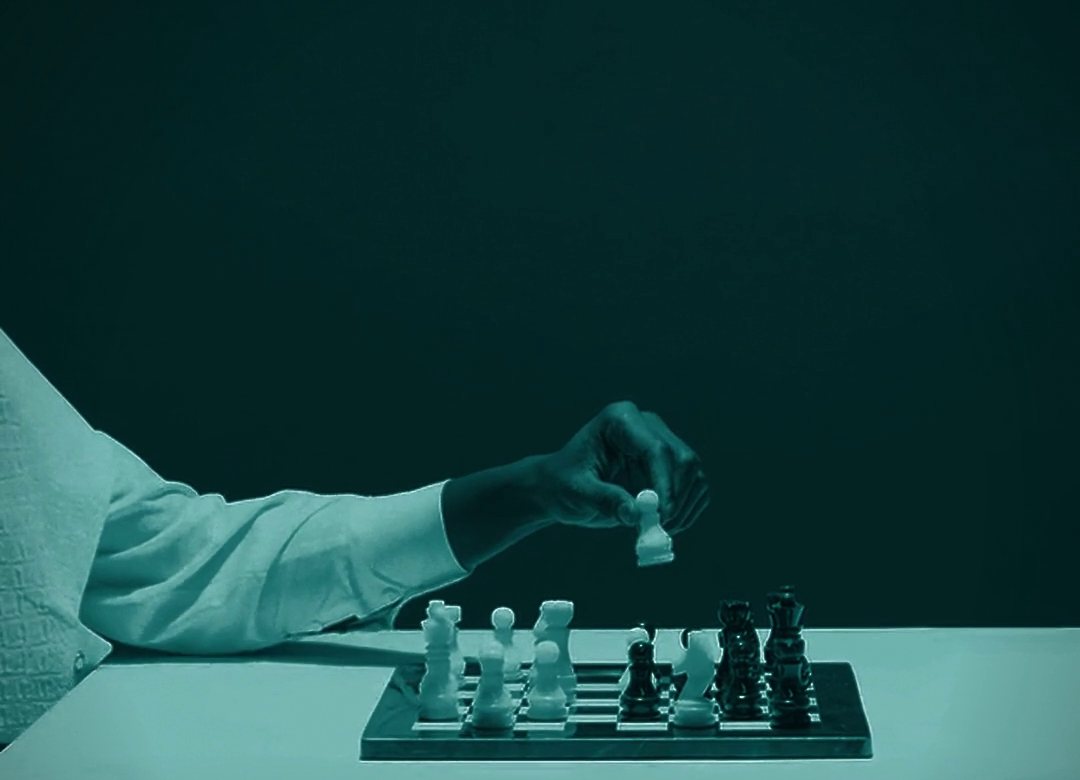
A hand above a chessboard, about to move
About

So much attention goes to the technology. Who is working on the human?

Why Mindmarqs exists

We have no real view of our own thinking.

Where it started
Everyone talks about the doom of thinking. We wondered what we can do.
What we believe
The thinking only people add is worth more than ever.
Judgement, creativity, asking the right question. Where your attention and your cognitive effort go decides how much of it you use. It can be strengthened in individuals, teams and organisations.
What we are here to do
Help people steer their cognitive effort.
Retake control of their attention, and bring their productivity to their own goals.
Where we draw the line

Four things you won't hear from us.

“AI makes us dumber.”
The risk is that you stop getting better. That is a different problem, and it can be managed.
“Train your brain.”
Brain-training games barely transfer to real work. We change behaviours, defaults and context.
“We know how you think.”
We show where attention goes and how people decide. A window, not a reading of your mind.
“You are a blue type.”
No personality colours. We describe behaviour you can discuss, question and practise.
What we put to work

Four disciplines. One purpose.

Behavioural science and psychology
Defines what we look at and why it matters, and holds it to the standards of published research.
Training and learning design
Turns the science into sessions people can use the next day, built on real decisions.
Engineering
Builds the GazetraQ™ technology and the assessment platform, with data protection in mind.
Business operations
Years of running international businesses and putting robots and AI to work. It keeps the work tied to results.
Questions

Three we hear often.

All questions →
Why do people feel so overloaded at work?

The number of messages grew and attention did not. Microsoft's data show the average employee is interrupted every two minutes, and receives 117 emails and 153 chat messages a day. Each interruption feels small. Together they leave little room for the thinking the job is paid for.

What does AI do to teamwork?

It can make the team optional. When everyone has an assistant, people ask the machine before they ask each other. In a 2026 survey of senior executives, 43% saw fewer constructive debates and 49% less diversity of thinking.

What is de-skilling, and can an organisation prevent it?

De-skilling is the gradual loss of skills that people no longer practise because a tool does the work. Half of the leaders in BCG's survey already see it in their organisation. One company in ten has a plan for it. BCG calls it a design problem, not a talent problem.

Talk to us.

Twenty minutes, no slides. Or write to info@mindmarqs.com

Book a 20-minute call